
TPLO Surgery in St. Johns, MI
TPLO surgery is an orthopedic procedure that may help qualifying dogs with cranial cruciate ligament injuries regain knee stability and mobility. St. Johns Animal Clinic offers TPLO evaluations and surgical care for dogs in St. Johns, Michigan.
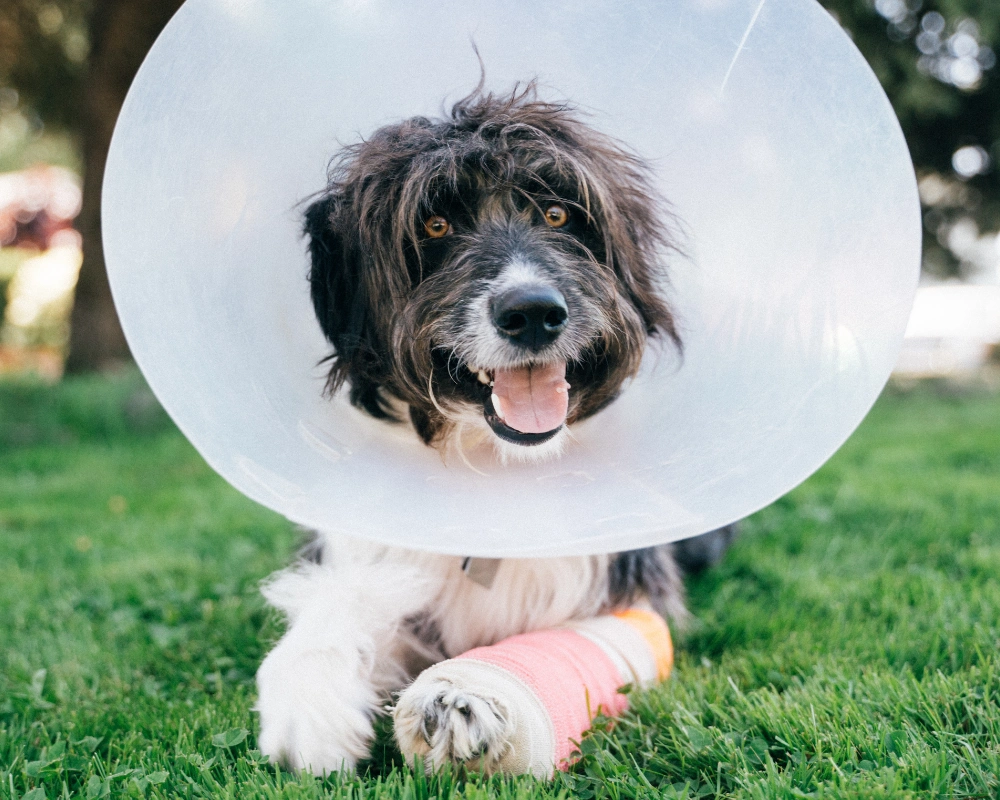
Specialized Care for Canine Knee Injuries
At St. Johns Animal Clinic, we provide surgical options for dogs experiencing pain and instability associated with cranial cruciate ligament injuries.
The cranial cruciate ligament helps stabilize the knee joint. When it becomes damaged or torn, a dog may experience limping, difficulty bearing weight, reduced activity, and ongoing discomfort.
TPLO, or tibial plateau leveling osteotomy, changes the mechanics of the knee so it can remain more stable without relying on the damaged ligament in the same way.
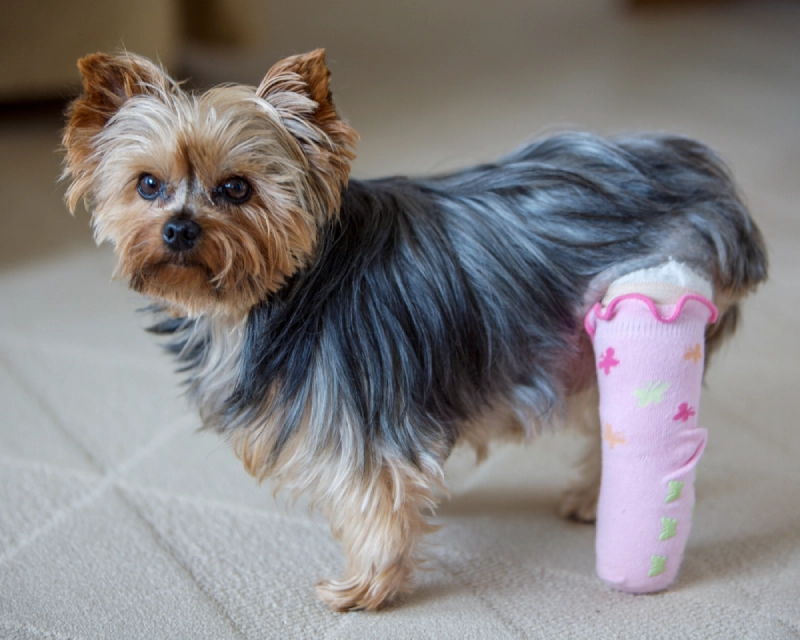
Signs of a Cranial Cruciate Ligament Injury
Dogs with a possible knee injury may show:
- Sudden or gradual limping
- Difficulty placing weight on a back leg
- Trouble rising or climbing stairs
- Reduced interest in walking or playing
- Stiffness after rest
- Swelling around the knee
- Sitting with one leg extended outward
- Intermittent lameness that worsens over time
These signs can have several causes, so a veterinary examination is necessary to determine what is affecting your dog.
Evaluating Your Dog for TPLO Surgery
A TPLO evaluation may include:
- Review of symptoms and medical history
- Physical and orthopedic examination
- Assessment of knee stability
- Evaluation of gait and mobility
- Diagnostic imaging
- Discussion of age, size, health, and activity level
Pet Diagnostics may help our team evaluate the affected joint and plan appropriate care.
Not every dog with a knee injury will need the same treatment. We will explain the findings and discuss whether TPLO surgery or another management option may be appropriate.
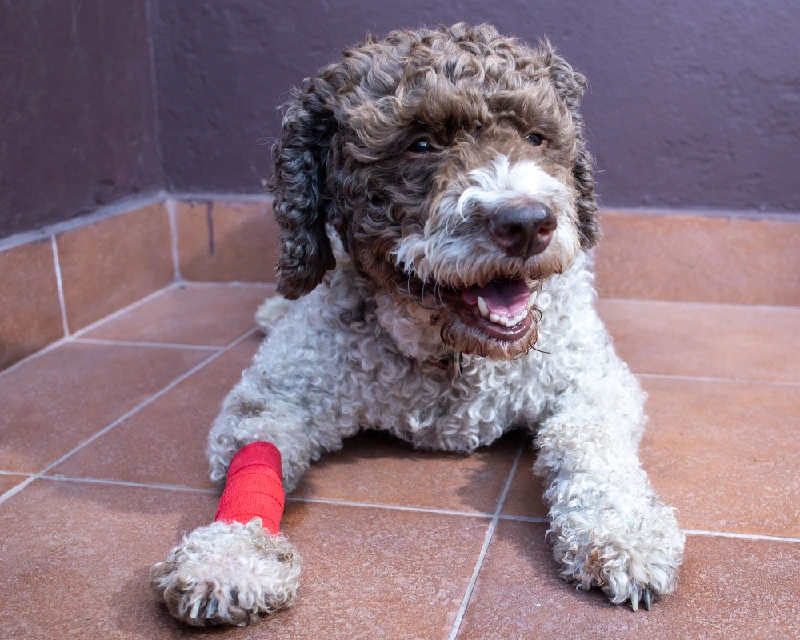
What Happens During TPLO Surgery?
During TPLO surgery, the surgeon adjusts the angle of the upper portion of the tibia and stabilizes the bone in its new position. This changes how weight-bearing forces move through the knee.
The goal is to improve stability and support more comfortable use of the affected leg. The surgical plan and recovery expectations will depend on your dog’s condition and overall health.
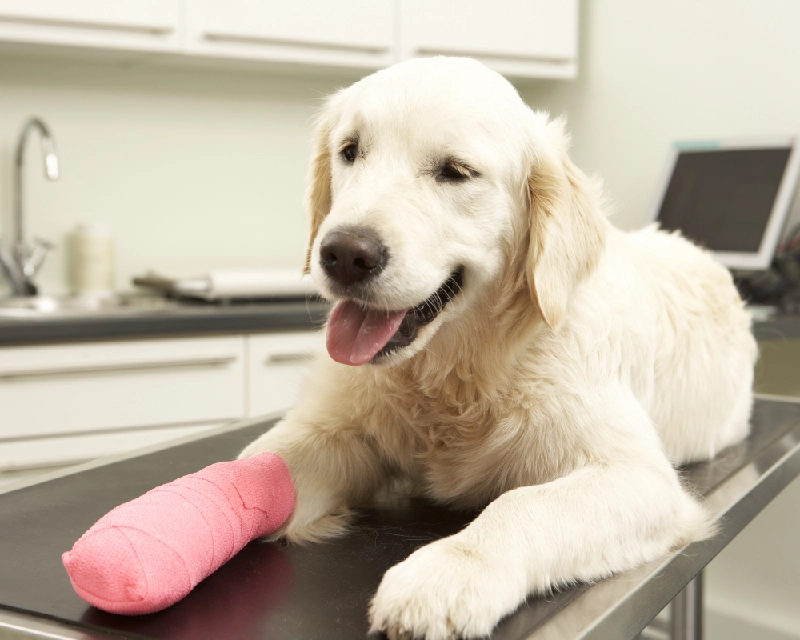
Potential Benefits of TPLO Surgery
For appropriate candidates, TPLO surgery may help:
- Improve knee stability
- Reduce discomfort caused by joint instability
- Support improved use of the affected leg
- Help dogs return to daily activities
- Reduce abnormal movement within the knee
Results and recovery timelines vary between patients. Our team will discuss realistic expectations based on your dog’s specific condition.
Preparing for TPLO Surgery
Before surgery, your dog may need a physical examination, bloodwork, and imaging. We will provide instructions regarding fasting, medications, arrival time, and postoperative preparation.
Preparing a safe recovery area at home can make the transition easier. Your dog may need:
- A quiet, confined resting space
- Traction on slippery flooring
- Assistance when standing or walking
- Controlled leash walks
- Barriers to stairs and furniture
Recovery After TPLO Surgery
Recovery is gradual and requires close adherence to postoperative instructions. Your dog’s plan may include:
- Pain medications
- Restricted activity
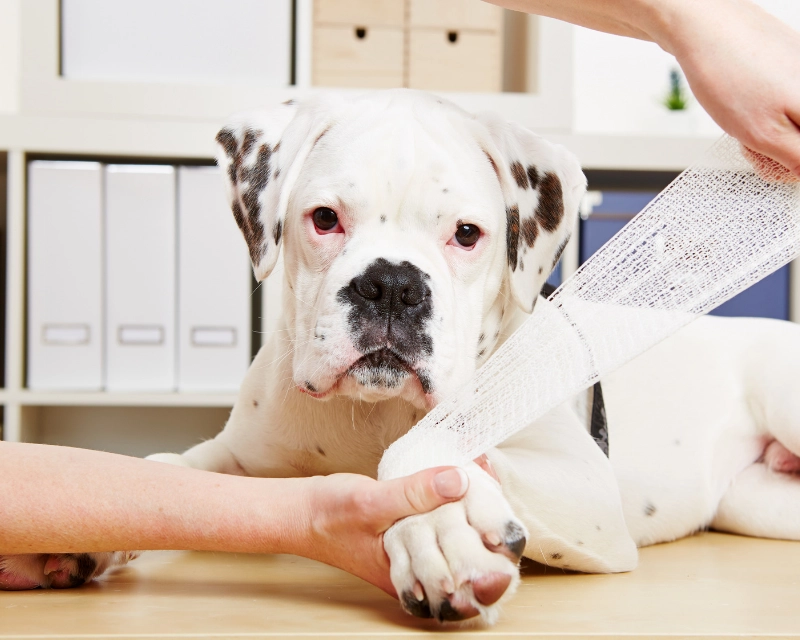
- Incision monitoring
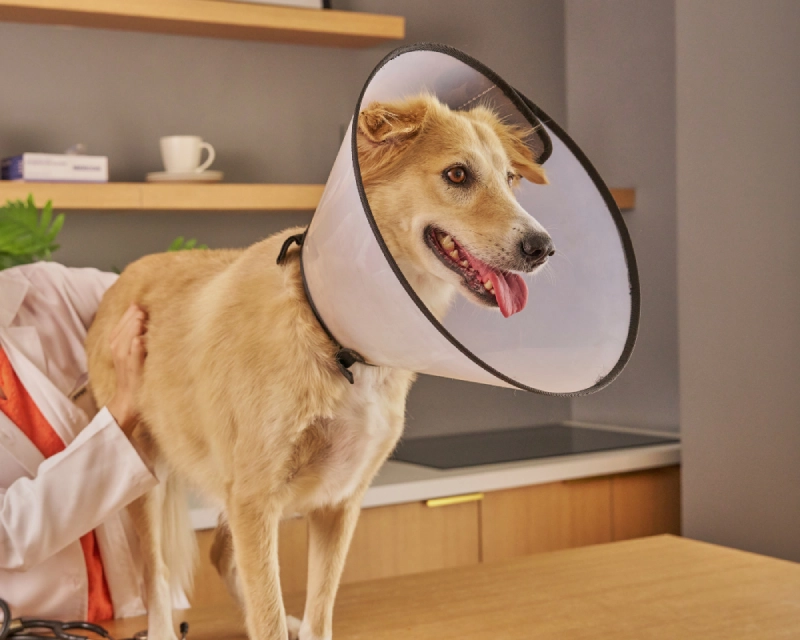
- An Elizabethan collar or recovery garment
- Scheduled follow-up examinations
- Repeat imaging when appropriate
- A gradual return to normal activity
Too much activity too soon can interfere with healing, even when your dog appears comfortable or energetic.
Related Veterinary Services
Dogs being evaluated for TPLO surgery may also need: