
Senior Pet Care in St. Johns, MI
Senior pet care helps dogs and cats stay comfortable, active, and supported as their needs change with age. St. Johns Animal Clinic provides personalized care for older pets in St. Johns, Michigan, with a focus on early detection, mobility, comfort, and quality of life.
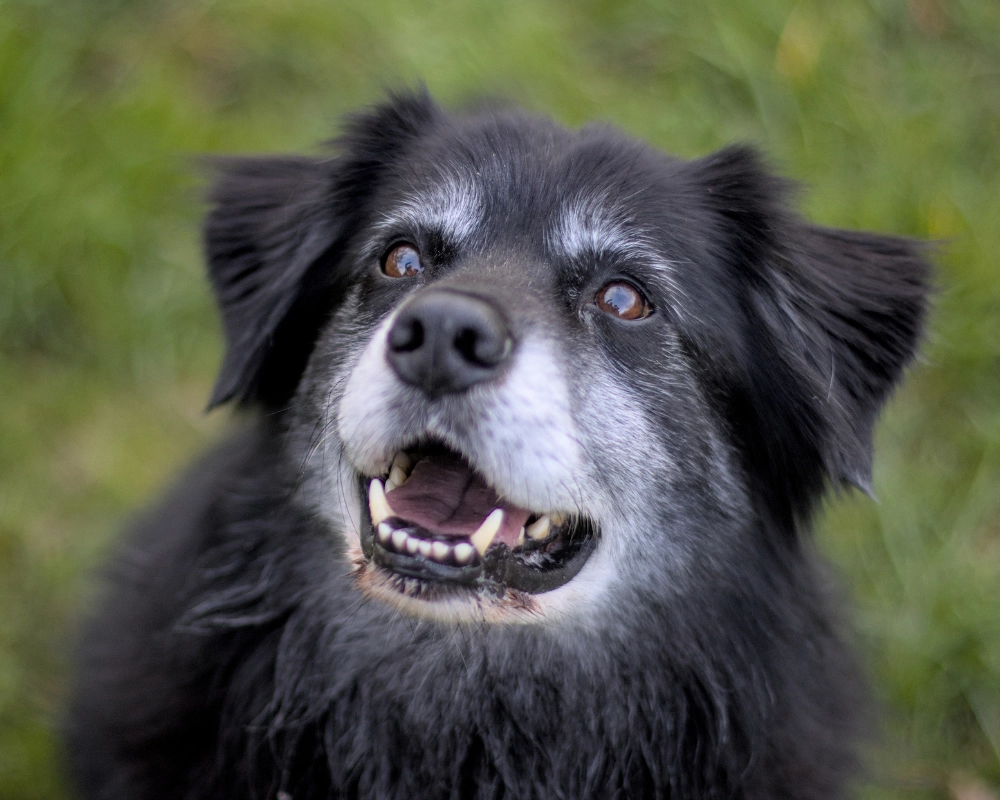
Thoughtful Care for Aging Pets
At St. Johns Animal Clinic, we understand how important the bond with an older pet can be. Senior pets may experience gradual changes in mobility, appetite, behavior, sleep, and overall health, and regular veterinary care can help families recognize those changes sooner.
Because pets age at different rates, recommendations are based on species, breed, size, lifestyle, medical history, and current health rather than age alone.

Why Senior Pets Need Regular Veterinary Care
Some age-related health concerns develop slowly and may not be obvious at first. Routine senior pet care allows our veterinary team to monitor changes over time and recommend testing or treatment when needed.
Regular visits can help identify concerns involving:
- Mobility and joint comfort
- Weight loss or weight gain
- Dental health
- Heart and lung function
- Kidney or liver health
- Vision and hearing
- Behavior or cognitive changes
- Increased thirst or urination
- Changes in appetite or digestion
- Chronic pain or reduced activity
Early evaluation may provide more options for managing a condition and supporting your pet’s comfort.
What Senior Pet Care May Include
A senior pet appointment may involve:
- A comprehensive physical exam
- Weight and body condition assessment
- Mobility and joint evaluation
- Dental and oral health review
- Heart and lung assessment
- Nutrition recommendations
- Pain and comfort evaluation
- Medication monitoring
- Routine bloodwork
- Diagnostic imaging when appropriate
- Quality-of-life discussions
The exact plan will depend on your pet’s individual needs and any changes you have noticed at home.
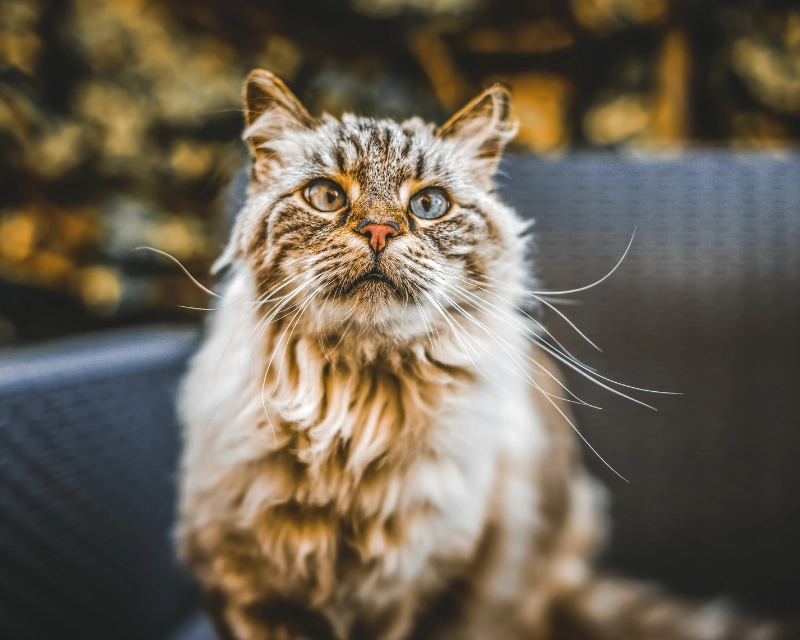

Diagnostic Support for Senior Pets
Routine testing may help detect internal changes that cannot be seen during a physical exam. Bloodwork and X-rays can provide useful information about organ function, inflammation, injury, and other health concerns.
Supporting Mobility and Comfort
Arthritis, joint disease, previous injuries, and other conditions may affect an older pet’s ability to move comfortably. We can evaluate mobility, discuss pain-management options, and recommend changes that may make daily activities easier.
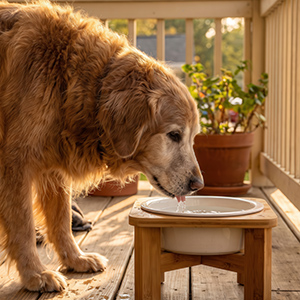
Nutrition and Weight Management
Senior pets may need adjustments to their diet, calorie intake, feeding schedule, or weight goals. Maintaining a healthy body condition can support mobility, organ health, and overall comfort.
Compassionate Quality-of-Life Guidance
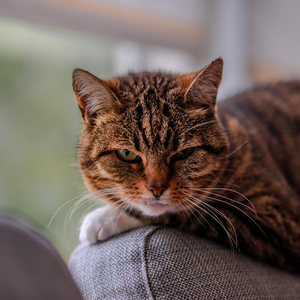
As pets age, families may face difficult decisions about comfort and daily well-being. Our team can help assess quality of life, discuss supportive options, and provide compassionate guidance when your pet’s needs change.
Signs Your Senior Pet May Need an Exam
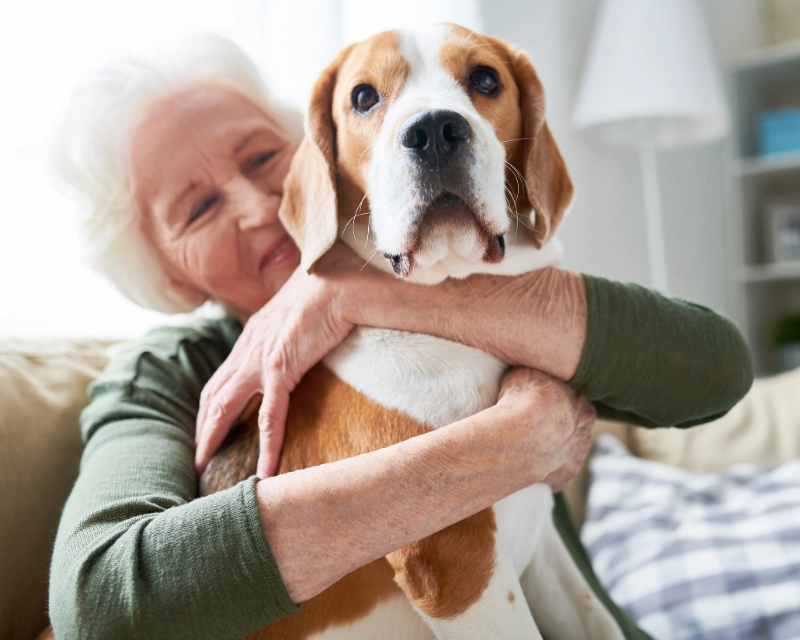
Schedule an appointment if your older pet shows changes such as:
- Difficulty standing, walking, or climbing stairs
- Reduced interest in play or exercise
- Increased sleeping or restlessness
- Changes in appetite or weight
- Increased thirst or urination
- New accidents in the home
- Coughing or breathing changes
- Bad breath or difficulty chewing
- Confusion, anxiety, or unusual behavior
- New lumps, skin changes, or persistent discomfort
These signs do not always indicate a serious condition, but they are worth discussing with a veterinarian.
Related Veterinary Services
Senior pet care often works alongside: