
Pet Dental Care in St. Johns, MI
Pet dental care helps protect your dog or cat from oral pain, infection, and complications that may affect overall health. St. Johns Animal Clinic provides dental evaluations and treatment recommendations for pets in St. Johns, Michigan.
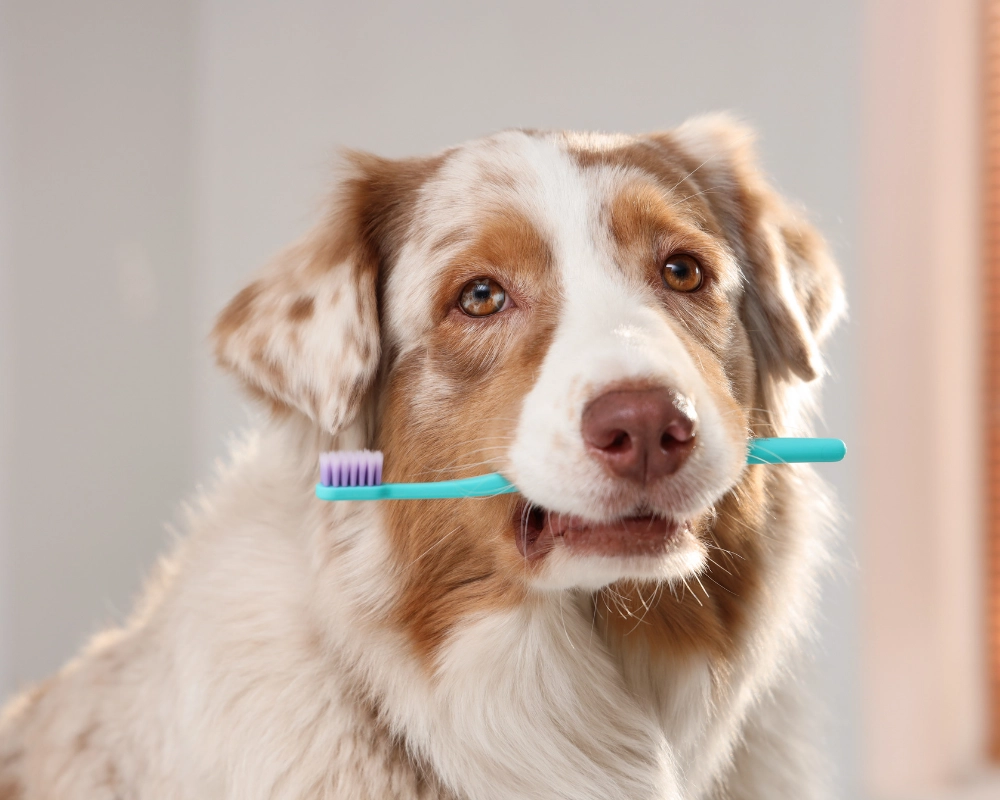
Healthy Teeth and Gums Support Overall Well-Being
At St. Johns Animal Clinic, we know that dental health is an important part of your pet’s comfort and quality of life. Plaque and tartar can build up over time, leading to gum inflammation, bad breath, discomfort, and infection.
Because pets often hide signs of oral pain, routine dental evaluations are important even when pets appear to be eating normally.
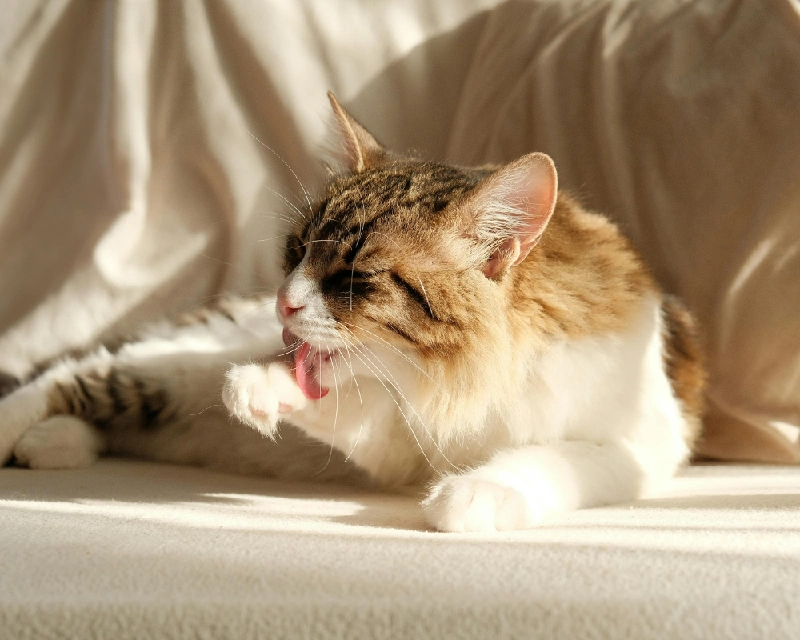
Signs of Dental Problems in Pets
Contact our clinic if you notice:
- Persistent bad breath
- Red, swollen, or bleeding gums
- Yellow or brown tartar buildup
- Loose, broken, or missing teeth
- Dropping food while eating
- Chewing on one side of the mouth
- Pawing at the face
- Reduced appetite
- Reluctance to chew hard food
- Facial swelling
- Excessive drooling
These signs may indicate dental disease, injury, infection, or another oral health concern.
What Pet Dental Care May Include
Dental care begins with an evaluation of your pet’s mouth, teeth, and gums. Based on the findings, our veterinary team may recommend:
- Oral health examinations
- Professional dental cleanings
- Evaluation of damaged or diseased teeth
- Treatment planning
- Extractions when medically necessary
- Pain-management recommendations
- Home dental-care guidance
- Follow-up monitoring
The recommended plan will depend on your pet’s oral health and individual needs.
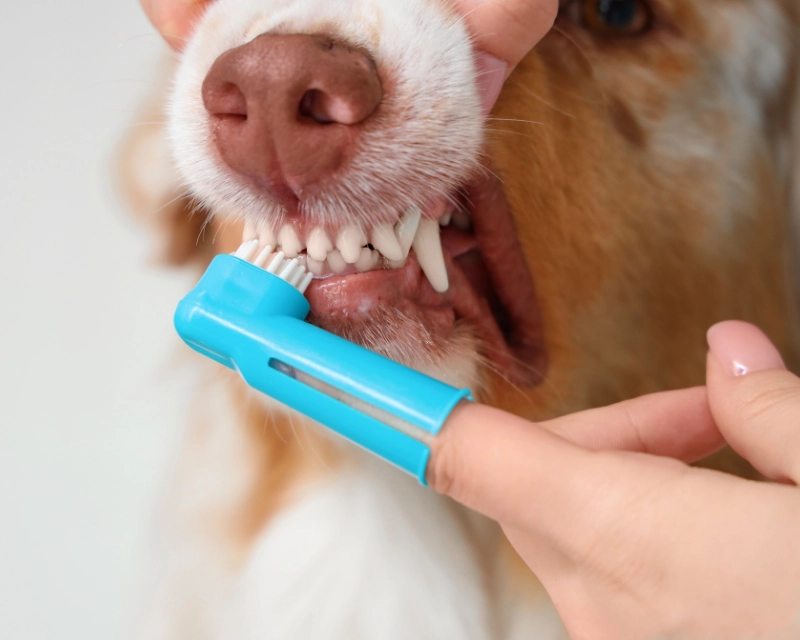
Dental Care for Dogs and Cats
Both dogs and cats can develop dental disease. Smaller dogs, senior pets, and pets with crowded or damaged teeth may need especially close monitoring, but any pet can experience oral health problems.
Cats may also develop painful dental conditions that are not always visible to pet owners. Our Fear-Free certified and cat-friendly approach helps us provide dental evaluations with attention to feline comfort.
Preparing for a Dental Procedure
If a professional dental procedure is recommended, our team will explain how to prepare your pet and what to expect. Pre-procedure evaluation may include a physical exam and diagnostic testing to help assess overall health before anesthesia.
After the procedure, we will provide instructions for feeding, medications, activity, and follow-up care.
Supporting Dental Health at Home
Home care may help extend the benefits of professional dental treatment. Depending on your pet’s needs, we may recommend:
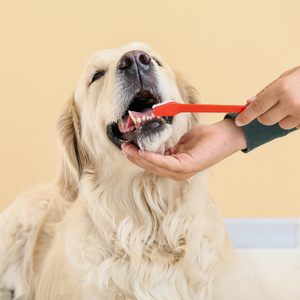
- Regular toothbrushing
- Veterinary-approved dental products
- Dental diets or treats
- Routine oral checks at home
- Ongoing wellness visits
Not every dental product is appropriate for every pet, so ask our team for guidance before beginning a new routine.

Why Professional Dental Care Matters
Brushing at home can help slow plaque buildup, but it cannot remove hardened tartar or treat disease beneath the gumline. Professional veterinary dental care allows the mouth to be evaluated more thoroughly and helps address conditions that may otherwise continue to cause discomfort.
Routine dental care may help:
- Reduce oral pain
- Improve breath
- Lower the risk of infection
- Preserve healthy teeth
- Support comfortable eating
- Identify oral disease earlier
- Improve overall quality of life
Related Veterinary Services
Dental care may be recommended alongside: