Pet Surgery in St. Johns, MI
Pet surgery can help treat medical conditions, prevent certain health concerns, and improve a pet’s comfort and quality of life. St. Johns Animal Clinic provides attentive surgical care for dogs and cats in St. Johns, Michigan, with a focus on preparation, patient monitoring, pain management, and recovery.

Thoughtful Surgical Care for Dogs and Cats
At St. Johns Animal Clinic, we understand that surgery can feel stressful for pet owners. Our veterinary team works to make the process clear and manageable by explaining the recommended procedure, answering questions, and providing instructions for your pet’s care before and after surgery.
Each surgical plan is based on the patient’s age, health, medical history, and individual needs. We take a careful, personalized approach so pet owners understand what to expect at every stage.
Pet Surgical Services
Our clinic provides routine and medically appropriate surgical care, including spay and neuter procedures. We also offer specialty orthopedic services for qualifying patients.
Depending on your pet’s procedure, surgical care may include:
- A preoperative physical examination
- Review of medical history and current medications
- Pre-anesthetic diagnostic testing
- Anesthesia and patient monitoring
- Pain-management planning
- Postoperative observation
- At-home recovery instructions
- Follow-up care when appropriate
Our team will explain which steps apply to your pet’s specific procedure.
Preparing Your Pet for Surgery
Before surgery, we will provide instructions regarding food, water, medications, arrival time, and other preparation requirements. Following these directions is important for your pet’s safety.
Preoperative diagnostic testing may be recommended to evaluate your pet’s internal health and identify factors that could affect anesthesia or recovery.
Please tell our team about:
- Current medications or supplements
- Known allergies
- Previous reactions to anesthesia
- Recent illness or behavioral changes
- Changes in appetite, thirst, or energy
- Any concerns about the procedure

Specialty Surgical Care
Certain bone, joint, and ligament conditions may require specialized treatment. St Johns Animal Clinic offers:
A veterinary examination and diagnostic testing are necessary to determine whether a pet may be a candidate for a specific procedure.
What to Expect on the Day of Surgery
When your pet arrives, our team will confirm the planned procedure and review relevant medical information. The patient will be monitored throughout the procedure and during recovery according to their individual needs.
Once your pet is ready to return home, we will explain:
- Medication instructions
- Feeding recommendations
- Activity restrictions
- Incision care
- Signs of possible complications
- Follow-up expectations
Please contact the clinic if you have questions or notice anything concerning during your pet’s recovery.
Supporting a Safe Recovery
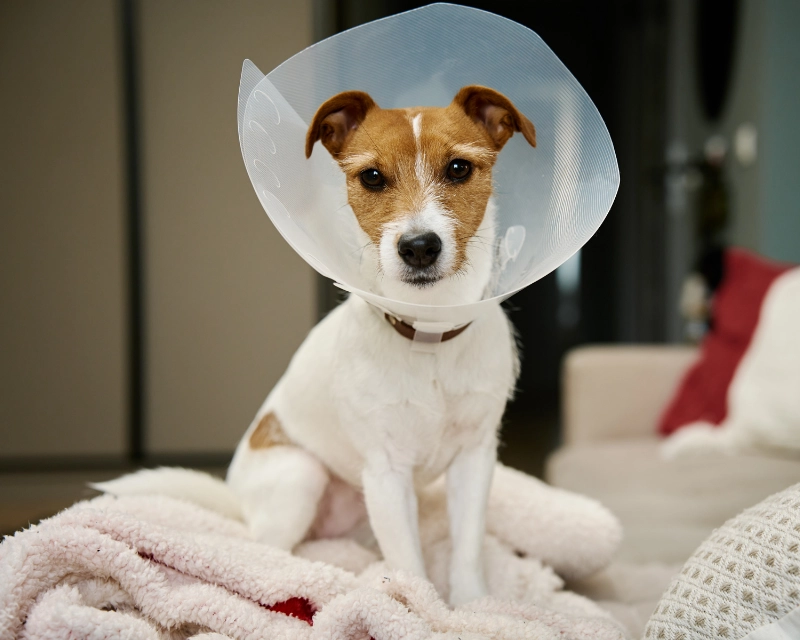
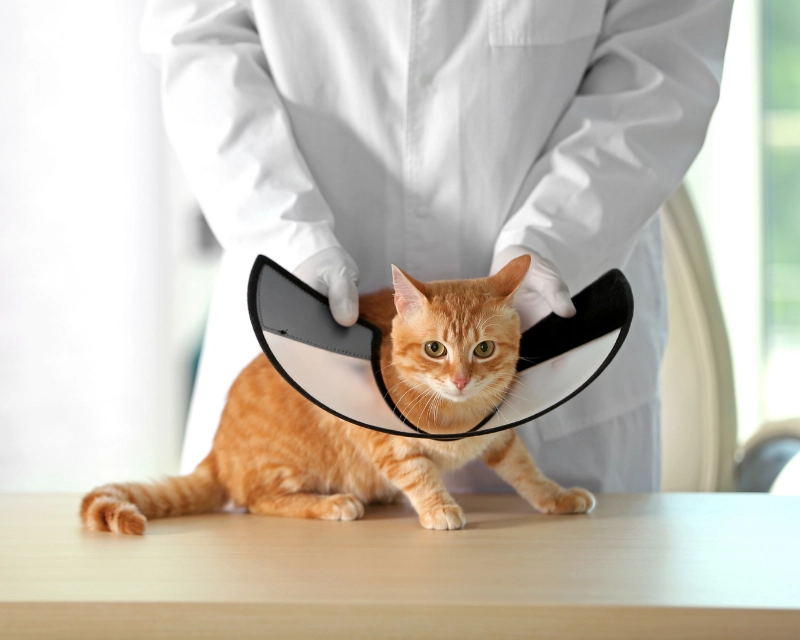
Recovery time varies depending on the procedure and the individual patient. Limiting activity, preventing licking or chewing, administering medications correctly, and monitoring the surgical area can all support healing.
Even when a pet appears to feel better, it is important to follow all activity restrictions and discharge instructions until the veterinary team confirms that normal activity can resume.
Related Veterinary Services
Surgical care may be supported by: