
Pet Diagnostics in St. Johns, MI
Pet diagnostics help veterinarians evaluate illness, injury, and internal health changes that may not be visible during a physical exam. St. Johns Animal Clinic offers routine bloodwork and X-rays for dogs and cats in St. Johns, Michigan.
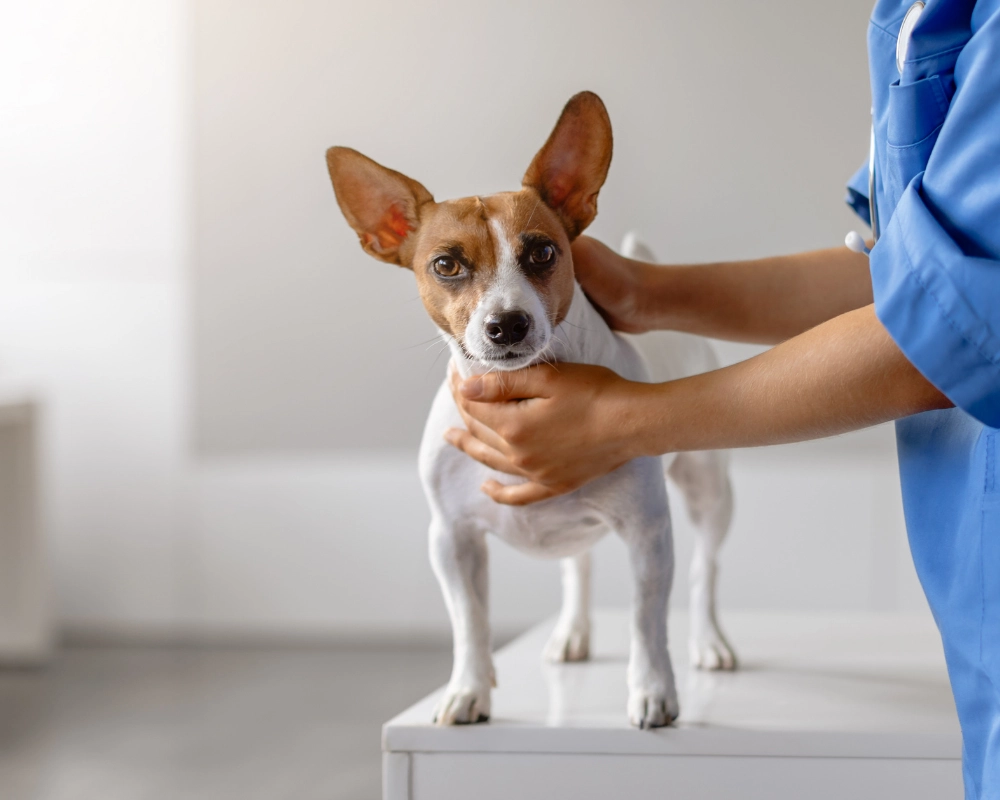
Clearer Answers for Your Pet’s Health
At St. Johns Animal Clinic, diagnostic testing helps us gather more information about what may be affecting your pet. Test results can support earlier detection, guide treatment recommendations, and help monitor changes over time.
Our veterinary team considers your pet’s symptoms, physical examination, medical history, and individual needs before recommending diagnostic testing.
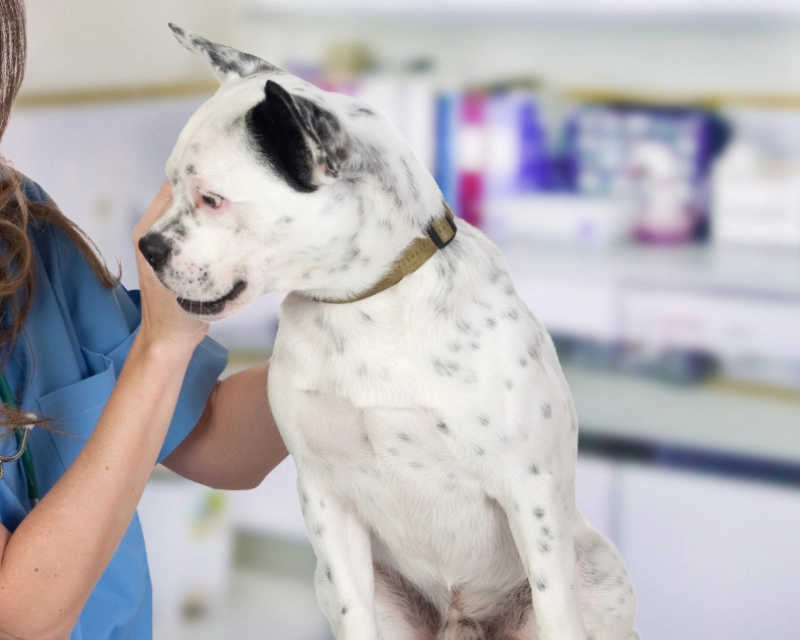
When Pet Diagnostics May Be Recommended
Testing may be useful when a pet:
- Shows signs of illness or pain
- Has experienced an injury
- Is losing or gaining weight unexpectedly
- Has changes in appetite, thirst, or urination
- Is vomiting or experiencing diarrhea
- Has difficulty breathing
- Is preparing for surgery
- Needs routine senior screening
- Has a chronic medical condition
- Requires follow-up monitoring
Diagnostic testing is not always necessary, but it can provide valuable information when a physical exam alone does not give a complete picture.
Routine Bloodwork
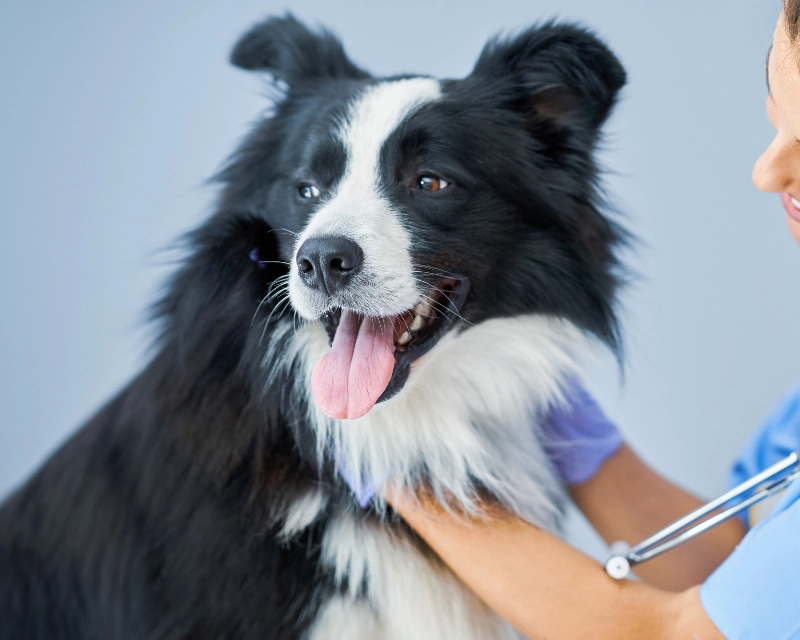
Blood testing can help evaluate organ function, blood cell counts, hydration, inflammation, infection, and other internal changes.
Routine bloodwork may be recommended for:
- Wellness screening
- Senior pet care
- Pre-anesthetic evaluation
- Ongoing medication monitoring
- Investigation of symptoms
- Chronic disease management
Results are considered alongside your pet’s examination and health history.
X-Rays and Radiographs
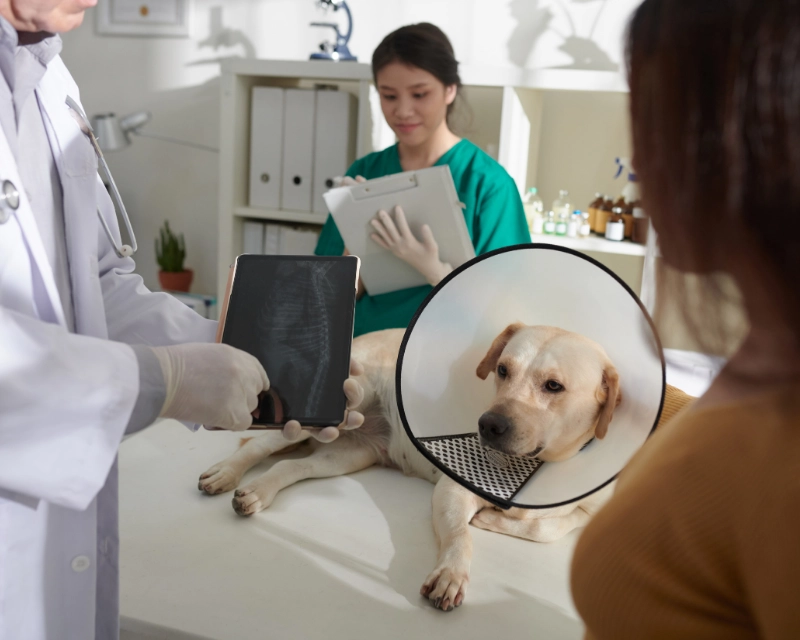
Radiographs create images of structures inside the body and may help evaluate:
- Bones and joints
- Fractures or injuries
- Chest and lung concerns
- Heart size
- Abdominal organs
- Foreign objects
- Certain masses or internal changes
X-rays can also support evaluation for Pet Orthopedic Surgery or TPLO Surgery.
What to Expect During Diagnostic Testing
The process depends on the type of test being performed. Bloodwork generally involves collecting a small blood sample. X-rays require careful positioning so the area of concern can be viewed clearly.
Some pets may need additional support to remain still and comfortable during imaging. Our team will explain the process and discuss any preparation requirements before testing.

How Diagnostic Results Guide Care
Diagnostic results may help our veterinarians:
- Identify or rule out certain conditions
- Determine whether treatment is needed
- Select appropriate medications
- Assess surgical readiness
- Monitor recovery
- Track chronic health concerns
- Recommend additional testing when appropriate
We take the time to explain findings and help pet owners understand the recommended next steps.
Diagnostics for Preventive and Senior Care
Testing is not limited to sick pets. Routine screening can establish baseline values and help detect internal changes before obvious symptoms appear.
Explore Pet Wellness Exams and Senior Pet Care.
Related Veterinary Services
Pet diagnostics may support: