Pet Orthopedic Surgery in St. Johns, MI
Pet orthopedic surgery may help address certain injuries and conditions affecting bones, joints, ligaments, and mobility. St. Johns Animal Clinic provides orthopedic evaluations and surgical care for qualifying dogs and cats in St. Johns, Michigan.
Supporting Comfort, Stability, and Mobility
At St. Johns Animal Clinic, we understand how significantly an orthopedic condition can affect a pet’s daily life. Pain, instability, and reduced mobility can make it difficult to walk, climb stairs, play, or complete normal activities.
Our approach begins with a careful examination to determine what may be causing the problem and whether surgery should be considered.
Signs of an Orthopedic Problem
Schedule a veterinary examination if your pet shows:
- Limping or favoring a leg
- Difficulty standing or lying down
- Reluctance to walk, run, or play
- Trouble climbing stairs or jumping
- Joint swelling
- Stiffness after rest
- Sensitivity when touched
- Reduced range of motion
- Sudden inability to bear weight
- Changes in posture or gait
Some orthopedic problems develop gradually, while others occur after an injury. Early evaluation can help clarify the cause and guide the next steps.
Orthopedic Evaluation and Diagnosis
An orthopedic assessment may include:
- Review of symptoms and medical history
- Physical examination
- Gait and mobility evaluation
- Joint and limb manipulation
- Pain and stability assessment
- Diagnostic imaging
Pet Diagnostics may help evaluate bones, joints, fractures, alignment, and other structural changes.
Additional testing or referral may be recommended when appropriate.
TPLO Surgery for Canine Knee Injuries
St. Johns Animal Clinic also provides TPLO Surgery for qualifying dogs with cranial cruciate ligament injuries.
TPLO is designed to improve knee stability by changing the mechanics of the joint. An orthopedic examination and diagnostic imaging are needed to determine whether a dog may be a candidate.

When Orthopedic Surgery May Be Considered
Surgery may be considered when an injury or condition causes ongoing pain, instability, loss of function, or reduced quality of life.
The recommendation will depend on:
- The diagnosis
- Severity of the condition
- Your pet’s overall health
- Age and activity level
- Expected benefits
- Recovery requirements
Our team will explain the available options and help you understand what may be appropriate for your pet.
Preparing for Orthopedic Surgery
Before surgery, we will review your pet’s health and provide preparation instructions. Pre-anesthetic testing may be recommended to identify medical factors that could affect the procedure.
Pet owners can prepare the home for recovery by:
- Creating a quiet, confined resting area
- Blocking access to stairs
- Adding traction to slippery floors
- Planning controlled bathroom breaks
- Preventing jumping on furniture
- Arranging assistance for larger pets when needed

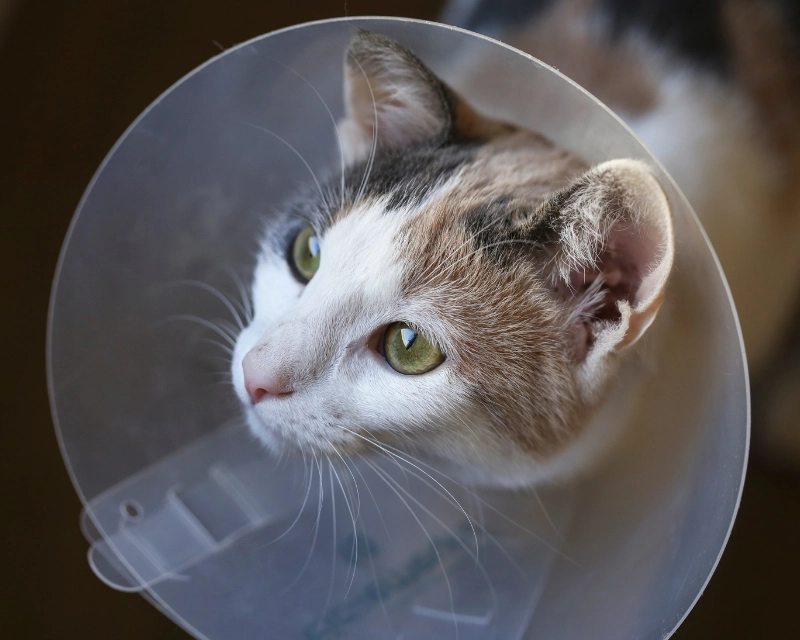
Recovery After Orthopedic Surgery
Orthopedic healing requires time and carefully controlled activity. Your pet’s recovery plan may include:
- Pain medication
- Activity restrictions
- Incision care
- Controlled leash walks
- Follow-up examinations
- Repeat imaging
- Gradual increases in activity
- Rehabilitation recommendations when appropriate
Following the recovery plan is important, even when your pet begins acting more energetic.
Our Approach to Surgical Care
Our veterinary team works to keep pet owners informed throughout evaluation, treatment, and recovery. We explain the diagnosis, discuss reasonable expectations, and provide instructions tailored to the patient’s procedure and needs.
Explore Pet Surgery for more information about surgical preparation and postoperative care.
Related Veterinary Services
Orthopedic care may involve: